 +90 539 716 24 01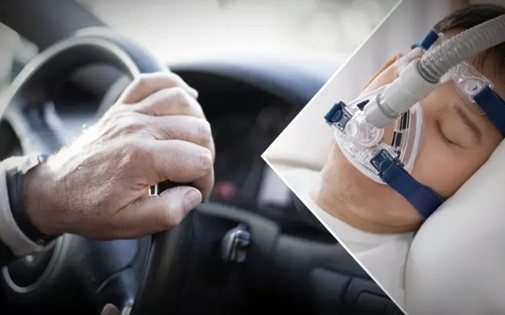
Individuals with sleep apnea experience frequent breathing interruptions during the night, which leads to repeated awakenings that they may not be aware of. This results in poor quality sleep at night.
Poor quality sleep at night can cause daytime sleepiness, which poses significant risks for driving safety. I would like to explain in more detail why it is risky for people with sleep apnea to drive:
Excessive Daytime Sleepiness: Sleep apnea affects sleep quality due to repeated awakenings throughout the night, causing individuals to wake up tired. This results in excessive sleepiness during the day, which can affect attention, reaction times, and decision-making abilities, all of which are crucial for safe driving.
Micro-Sleep Episodes: Poor sleep quality due to sleep apnea can lead to short micro-sleep episodes during the day, where individuals may unintentionally fall asleep for a few seconds or minutes. These micro-sleep episodes can occur during monotonous activities like driving, leading to accidents due to brief lapses in attention. In severe cases of sleep apnea, it is common for patients to fall asleep at red lights. If these sleep episodes occur while driving, it can cause traffic accidents.
Impaired Cognitive Functions: Chronic sleep fragmentation and intermittent oxygen drops associated with sleep apnea can affect cognitive functions such as memory, concentration, and decision-making. This can jeopardize a person's ability to make quick and appropriate driving decisions.
Other Factors: Sleep apnea is often associated with other comorbidities such as hypertension, cardiovascular disease, and diabetes, which can further increase the risk of accidents while driving.
Diagnosing and treating sleep apnea is crucial to reducing the risk of accidents and improving road safety for both sleep apnea patients and other road users.
Studies have shown that the risk of traffic accidents is significantly higher in people with sleep apnea compared to those without the condition.
It has been shown that individuals with untreated or severe sleep apnea have a two to seven times higher risk of being involved in motor vehicle accidents compared to the general population.
The severity of sleep apnea can vary widely among individuals. Those with mild or well-managed sleep apnea, especially if they are compliant with treatment and have their symptoms under control, may not experience significant impairment in their driving abilities.
However, individuals with severe and untreated sleep apnea, particularly those who experience excessive daytime sleepiness or have a history of accidents, may face restrictions on their driving privileges until their condition is adequately managed.
Treatment compliance, such as with Continuous Positive Airway Pressure (CPAP) therapy, plays a significant role in determining the driving eligibility of sleep apnea patients. If a patient is compliant with treatment and manages their symptoms effectively, they may be deemed fit to drive by healthcare professionals and licensing authorities.
Yes, people with sleep apnea can obtain a driver’s license, but only if their sleep apnea is under control or treated, as determined by a medical board.
The reports from April 2024 claiming that people with sleep apnea would not be able to get a driver’s license are not true. The Presidential Communications Directorate's Disinformation Combat Center has clarified that there has been no change in the relevant legislation.
Individuals with untreated or severe sleep apnea may need to report their condition to the licensing authority and provide proof that they have received appropriate treatment and are fit to drive.





Copyright 2026 Prof. Dr. Elif Küpeli. All rights reserved.

 Prof. Dr. Elif KüpeliPulmonary Diseases, Pulmonologist
 Prof. Dr. Elif Küpeli
 Türkçe
 English
 +90 539 716 24 01