 +90 539 716 24 01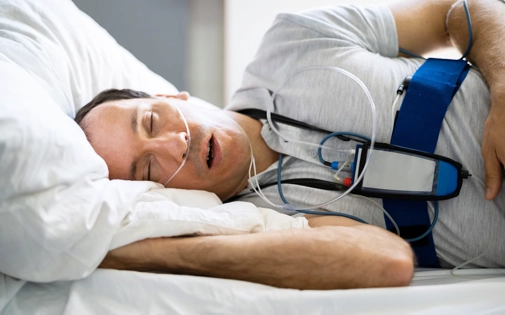
A sleep test, also known as polysomnography, is conducted to detect sleep apnea and other sleep disorders. It is typically preferred to be done in a hospital's sleep center. However, some patients may not want to stay in the hospital, feel they would sleep better in their own bed, or have existing health conditions that make staying at home more comfortable. In such cases, the sleep test can be conducted at home. This test is performed using a portable device that records breathing, oxygen levels, heart rate, and other parameters during sleep.
Sleeping in one's own bed is more comfortable, and there is no need to travel to a sleep center, saving time.
However, in some cases, a more detailed sleep test conducted in a hospital or sleep laboratory may be necessary. It is important for individuals suspected of having a sleep disorder to consult with a doctor to determine the most appropriate testing method.
There are also some disadvantages to conducting the sleep test at home. The detailed data collected in a sleep center may not be available, which might be insufficient for diagnosing complex sleep disorders.
Suspected Sleep Apnea: A home sleep test is generally sufficient.
It is important for individuals suspected of having a sleep disorder to consult with their doctor to determine the most appropriate testing method. These tests help ensure an accurate diagnosis and the development of an appropriate treatment plan.





Copyright 2026 Prof. Dr. Elif Küpeli. All rights reserved.

 Prof. Dr. Elif KüpeliPulmonary Diseases, Pulmonologist
 Prof. Dr. Elif Küpeli
 Türkçe
 English
 +90 539 716 24 01