 +90 539 716 24 01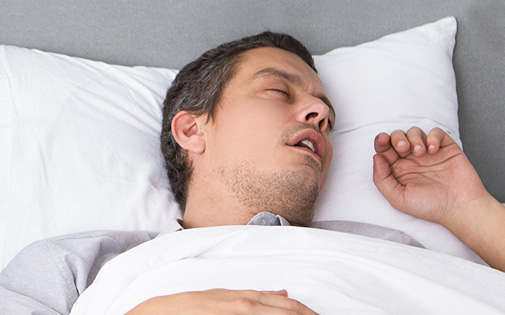
Sleep apnea is a condition characterized by the repeated stopping of breathing for 10 seconds or longer during sleep.
Yes, sleep apnea is dangerous if left untreated. It can lead to various chronic conditions and even sudden death.
Severe sleep apnea can be fatal if not treated.
In sleep apnea, the repeated pauses in breathing result in decreased oxygen levels, leading to insufficient nourishment of the heart muscle. This can cause sudden high blood pressure, arrhythmias, and heart attacks, which may result in sudden death. Additionally, it can cause pulmonary embolism, aortic dissection, brain hemorrhage, or stroke, which can also be fatal. The apnea itself can disrupt oxygen supply to the brain, leading to sudden death.
Studies show that the risk of death in untreated moderate to severe obstructive sleep apnea ranges between 1.5% and 7%.
The treatment of sleep apnea depends on the severity of the condition. In mild sleep apnea, if there are no additional conditions such as hypertension, heart disease, or arrhythmias, lifestyle changes are recommended. These may include losing weight, avoiding alcohol and sedatives, and not sleeping on your back.
For moderate to severe sleep apnea, CPAP (Continuous Positive Airway Pressure) therapy is recommended. The CPAP machine keeps the airways open by applying positive pressure to the upper airways during sleep, preventing apnea.
There is no medication to treat sleep apnea. The only effective treatment method for sleep apnea is CPAP. Using CPAP can eliminate or reduce the risk of sudden death and other complications associated with sleep apnea.




Copyright 2026 Prof. Dr. Elif Küpeli. All rights reserved.

 Prof. Dr. Elif KüpeliPulmonary Diseases, Pulmonologist
 Prof. Dr. Elif Küpeli
 Türkçe
 English
 +90 539 716 24 01